 Libya
Libya
Libya | CISSA
About Libya
Libya is a nation overlooking an extensive expanse of the Mediterranean Sea, distinguished by its exceptional natural and cultural diversity. It seamlessly integrates breathtaking coastlines, stretching for thousands of kilometers, with one of the world's most remarkable deserts, thereby creating a unique and harmonious interplay between sea and sand.
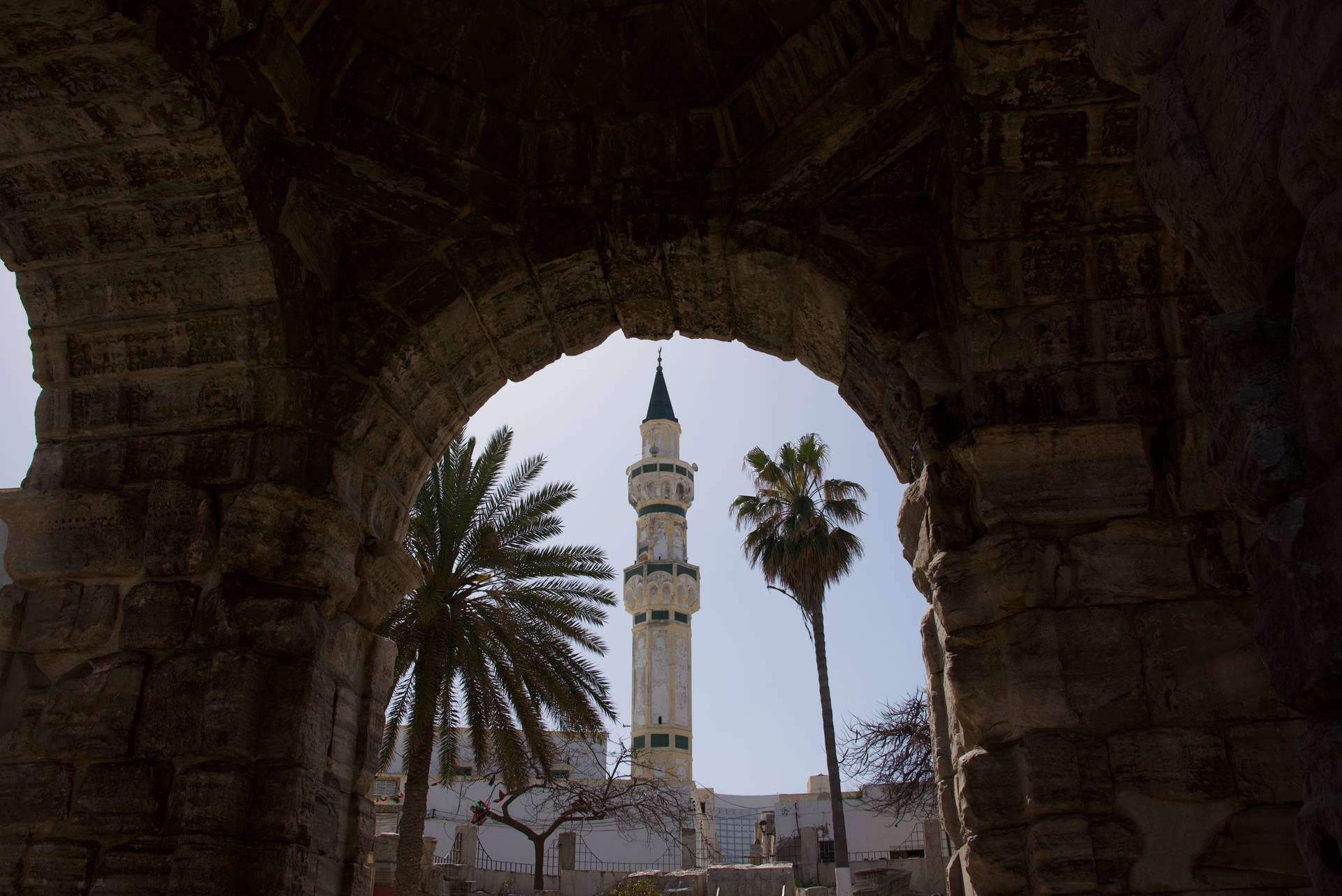
As the cradle of ancient civilizations, Libya is home to some of North Africa's most significant archaeological sites, including the classical cities of Leptis Magna and Sabratha, both internationally recognized for their profound historical and cultural value. The cities of Libya are characterized by architectural elegance that reflects a rich amalgamation of heritage and local identity, particularly evident within the traditional urban fabric of its historic towns.
Libya's cultural identity is deeply rooted in its enduring traditions, encompassing poetry, music, and traditional attire, which collectively illustrate a diverse social tapestry and a profound connection to the land and its history. The Libyan people are renowned for their warm hospitality and openness.
Situated at a strategic crossroads and endowed with abundant natural resources, Libya presents a promising destination for tourism and investment alike, offering considerable potential for sustainable growth across multiple sectors.
Get more information about LibyaPeople and Language
The Libyan people are characterized by a profound sense of communal belonging and social cohesion, grounded in a deep adherence to religious values and enduring familial ties.
Arabic is the official language of Libya and is universally utilized across educational institutions, government agencies, and media outlets.
Islam, as the state religion, is embraced by the entire population and serves as a foundational pillar for the nation’s moral and social framework. The practice of Islam in Libya is predominantly moderate, with its principles intricately embedded in everyday life and social conduct.
Libyan society is distinguished by a strong and cohesive family structure, where the family serves as the cornerstone of social life. Hospitality is a cherished cultural virtue, and the tradition of warmly welcoming guests reflects a profound connection to Libyan identity and the nation’s enduring values.